Have a question





Pre-Treatment Consultation
Your journey begins with a comprehensive skin assessment by one of our experienced doctors. If actinic keratosis, sun-damaged skin, or superficial skin cancers are identified, we’ll determine if PDT is the most appropriate treatment for your skin type and condition. We’ll also discuss your medical history and provide detailed pre-treatment instructions.
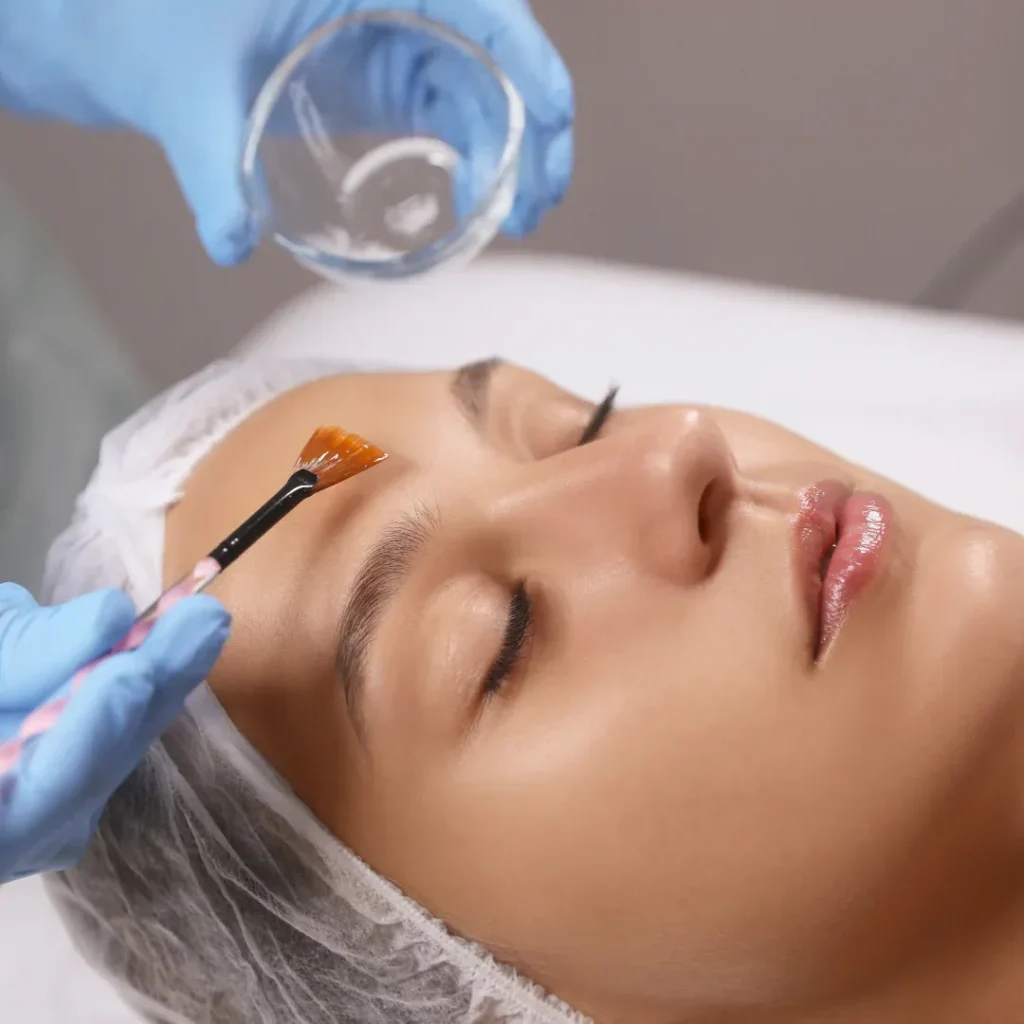
Application of Photosensitising Agent
On the day of treatment, a light-sensitive solution (photosensitiser) is applied directly to the affected area of skin. This agent is absorbed by abnormal or damaged cells, making them more vulnerable to light-based activation.

Incubation Period
After application, the area is covered and left to absorb the solution for approximately 1 to 3 hours, depending on the size and severity of the treatment area. You’ll remain in our clinic during this period to ensure comfort and protection from light.
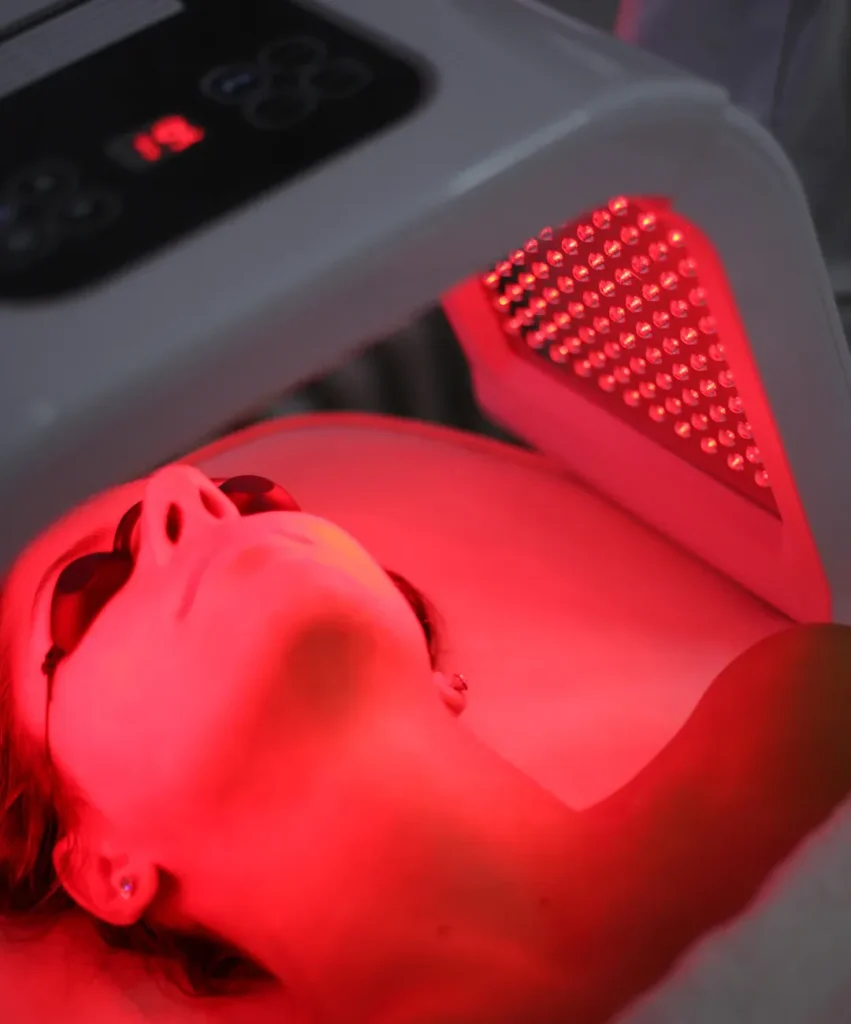
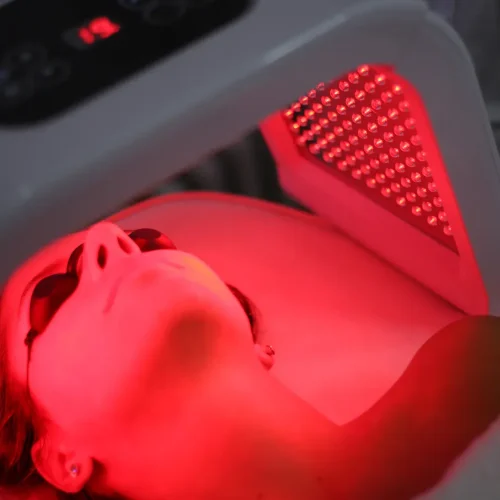
Light Activation
Once the incubation period is complete, the treated skin is exposed to a controlled medical light source (usually red or blue light). The light activates the photosensitising agent, targeting and destroying abnormal cells without harming the surrounding healthy tissue.
Patients may feel a warm or tingling sensation during this step, which typically lasts 10–20 minutes.

Post-Treatment Care & Recovery
After the procedure:
The treated area may appear red, swollen, or crusted, similar to mild sunburn.
You’ll receive aftercare instructions and a protective dressing if needed
It’s essential to avoid direct sunlight for at least 48 hours, as your skin will be highly sensitive to UV light.
Healing typically occurs within , and the new skin that forms is often smoother, clearer, and healthier.

Follow-Up and Ongoing Monitoring
A follow-up appointment may be scheduled to assess healing and ensure the complete clearance of treated lesions. For individuals with ongoing sun exposure or chronic actinic keratosis, we may recommend regular skin checks or repeat PDT sessions as part of a long-term prevention plan.