

Have a question
Advanced Digital Tracking for Early Skin Cancer Detection
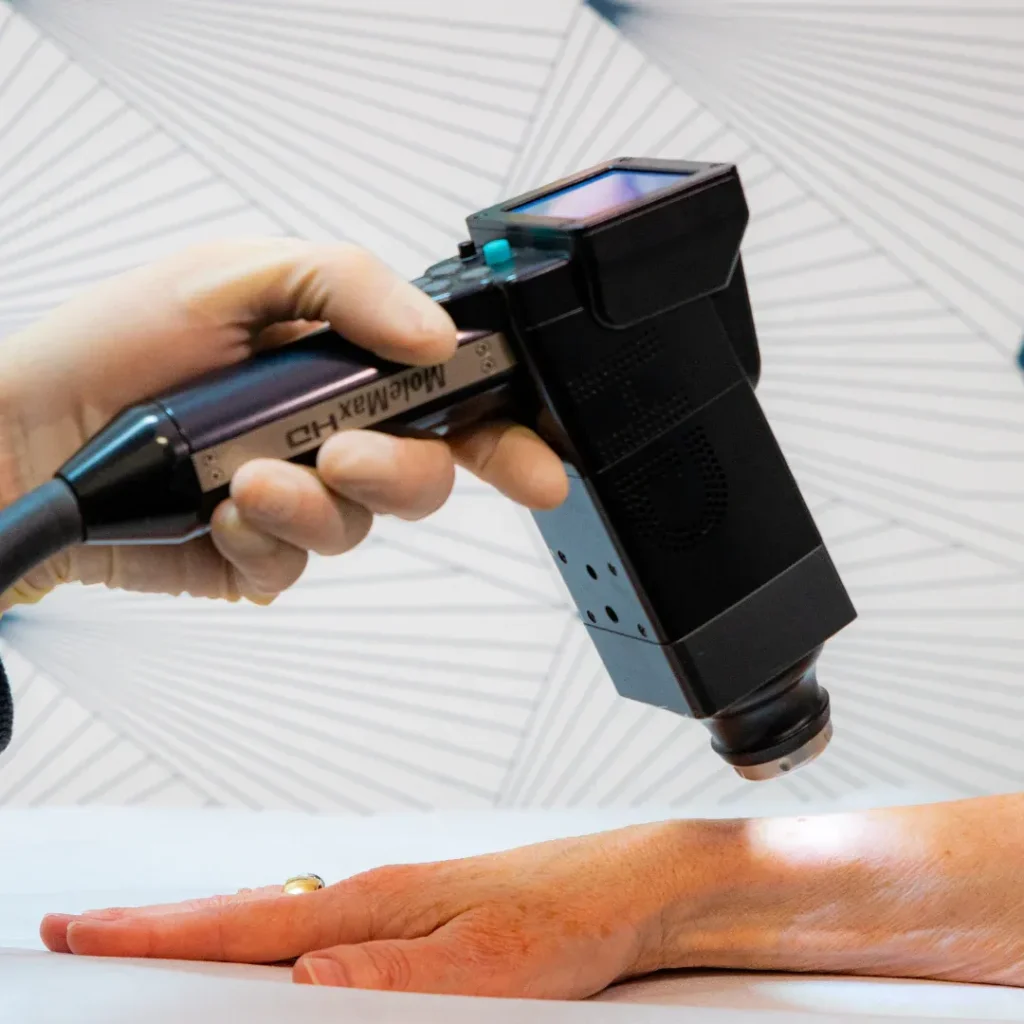
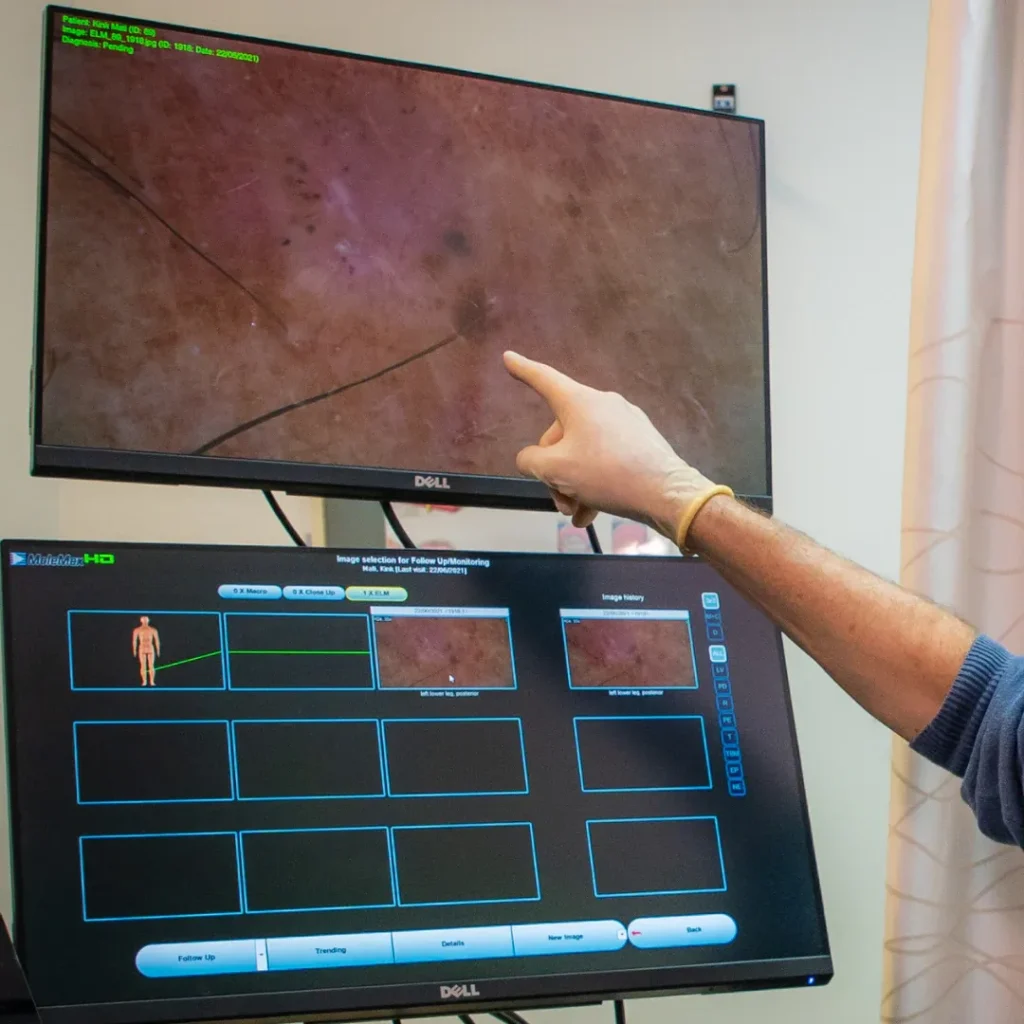
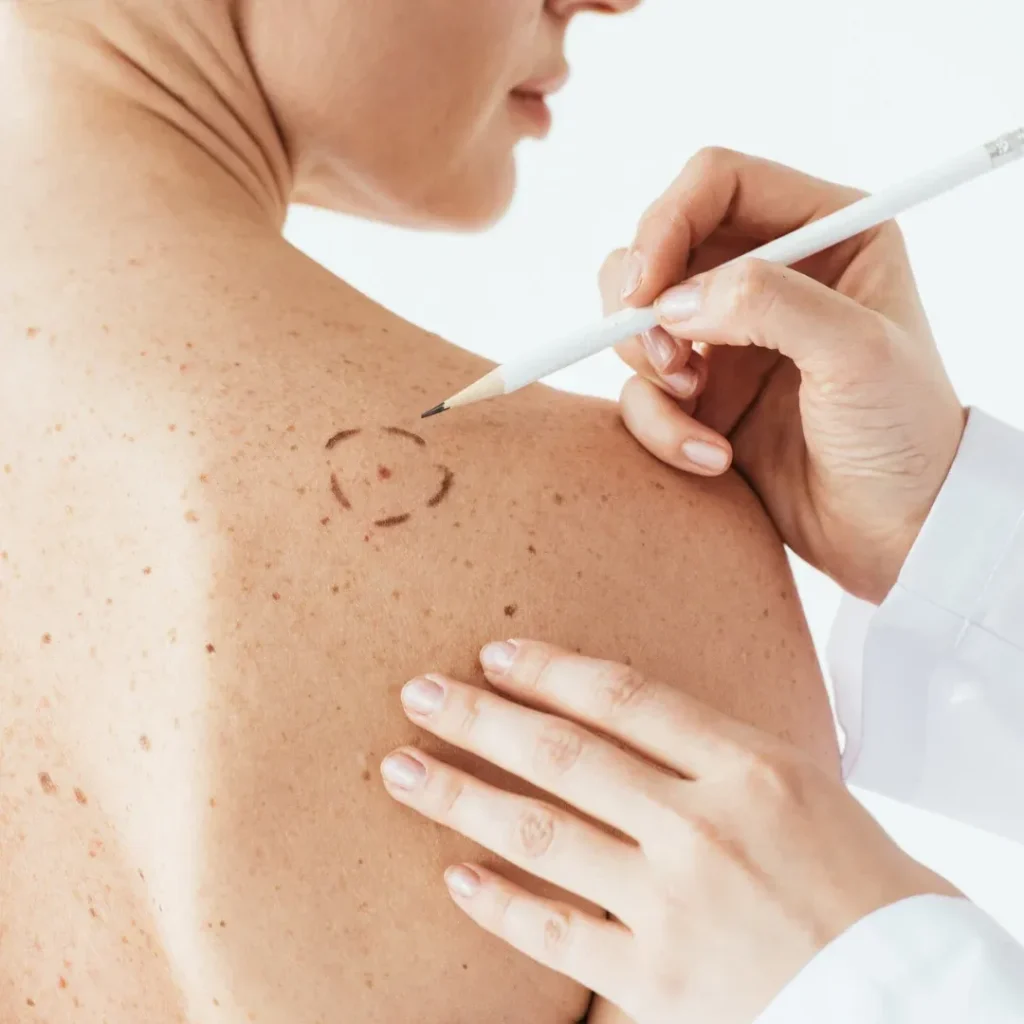
Mole mapping is a non-invasive, digital imaging method that systematically records and monitors moles, freckles, and skin lesions. By capturing high-resolution images of your skin, mole mapping allows doctors to track subtle changes over time, helping to detect melanoma and other skin cancers in their earliest stages.
TREATMENT PROCESS
Consultation
Full-Body Imaging
Mole Mapping & Data Storage
Expert Review
What is Mole Mapping?
Mole mapping is a non-invasive, digital imaging method that systematically records and monitors moles, freckles, and skin lesions. By capturing high-resolution images of your skin, mole mapping allows doctors to track subtle changes over time, helping to detect melanoma and other skin cancers in their earliest stages.
Skin Monitoring & Prevention
- Tracks small changes in moles that may indicate early signs of skin cancer.
- Reduces unnecessary biopsies by providing a detailed visual comparison over time.
- Essential for individuals with multiple or irregular moles, fair skin, or a personal/family history of melanoma.
- Those with many moles or atypical (irregular) moles.
- Individuals with a history of sunburns, excessive sun exposure, or fair skin.
- Patients with a personal or family history of melanoma or skin cancer.
- Every 6-12 months for high-risk individuals.
- As recommended by your skin cancer specialist, depending on your personal risk factors.
Why Choose Horizon Medical Centre for Mole Mapping?
At Horizon Medical Centre Stepney, our experienced skin cancer doctors use state-of-the-art mole mapping technology to ensure precise and detailed tracking of skin changes. We provide comprehensive skin monitoring, combining mole mapping with full-body skin checks, digital dermoscopy, surgical excisions and early melanoma detection strategies.
FREQUENTLY ASKED QUESTIONS
Mole mapping is a high-resolution digital imaging technique that records your moles and skin lesions to detect subtle changes over time.
By comparing images from previous visits, doctors can identify new or changing moles, which may be an early sign of melanoma or other skin cancers.
Mole mapping is recommended for individuals with multiple moles, fair skin, a history of sunburns, or a family history of melanoma.
No, mole mapping is completely non-invasive and painless.
High-risk patients should have it every 6-12 months, while others may require less frequent monitoring based on their doctor’s recommendation.
No, if a mole appears suspicious, a biopsy is still required to confirm whether it is cancerous.
A full-body mole mapping session takes about 30-45 minutes.
Yes, most of the body needs to be visible for comprehensive imaging, but underwear can remain on.
Yes, digital imaging allows doctors to detect very early changes, increasing the chances of early diagnosis and successful treatment.
Yes, mole mapping is useful for anyone who wants to monitor their skin health proactively, even without a history of skin cancer.
Yes, it is completely safe and can help track hormonal skin changes that occur during pregnancy.
Some aspects may be covered, but check with your provider regarding costs and rebates.
Your doctor will recommend further tests, such as a biopsy or dermoscopic imaging, to assess whether the mole is cancerous.