

Have a question
Safe & Precise Medical & Cosmetic Mole Removal
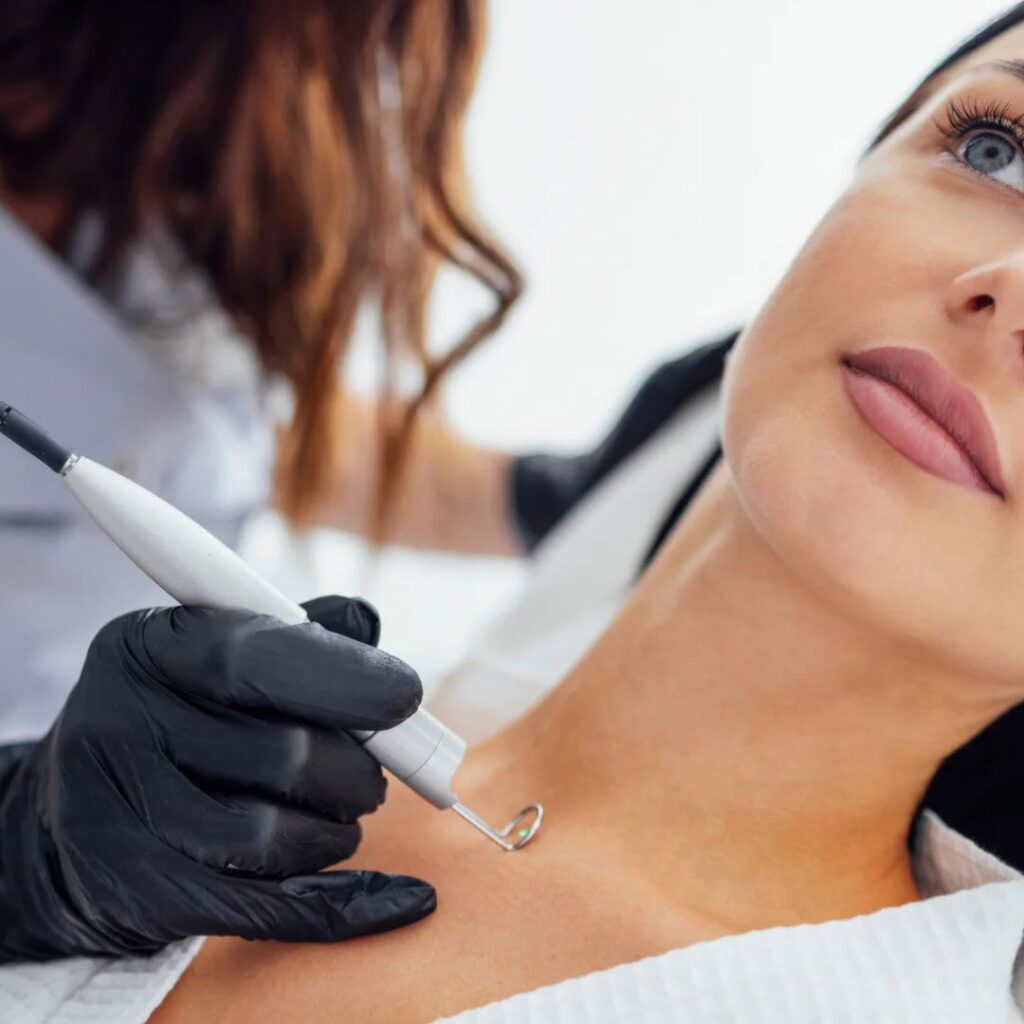
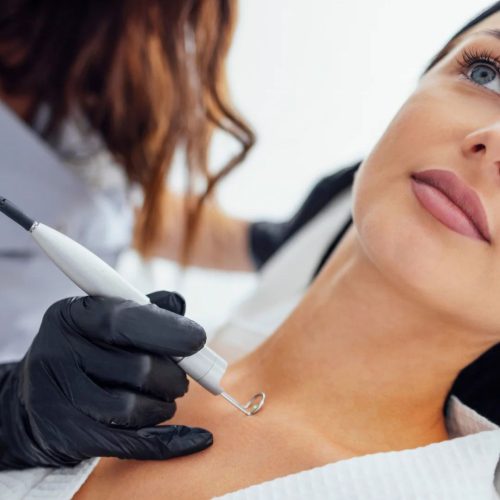
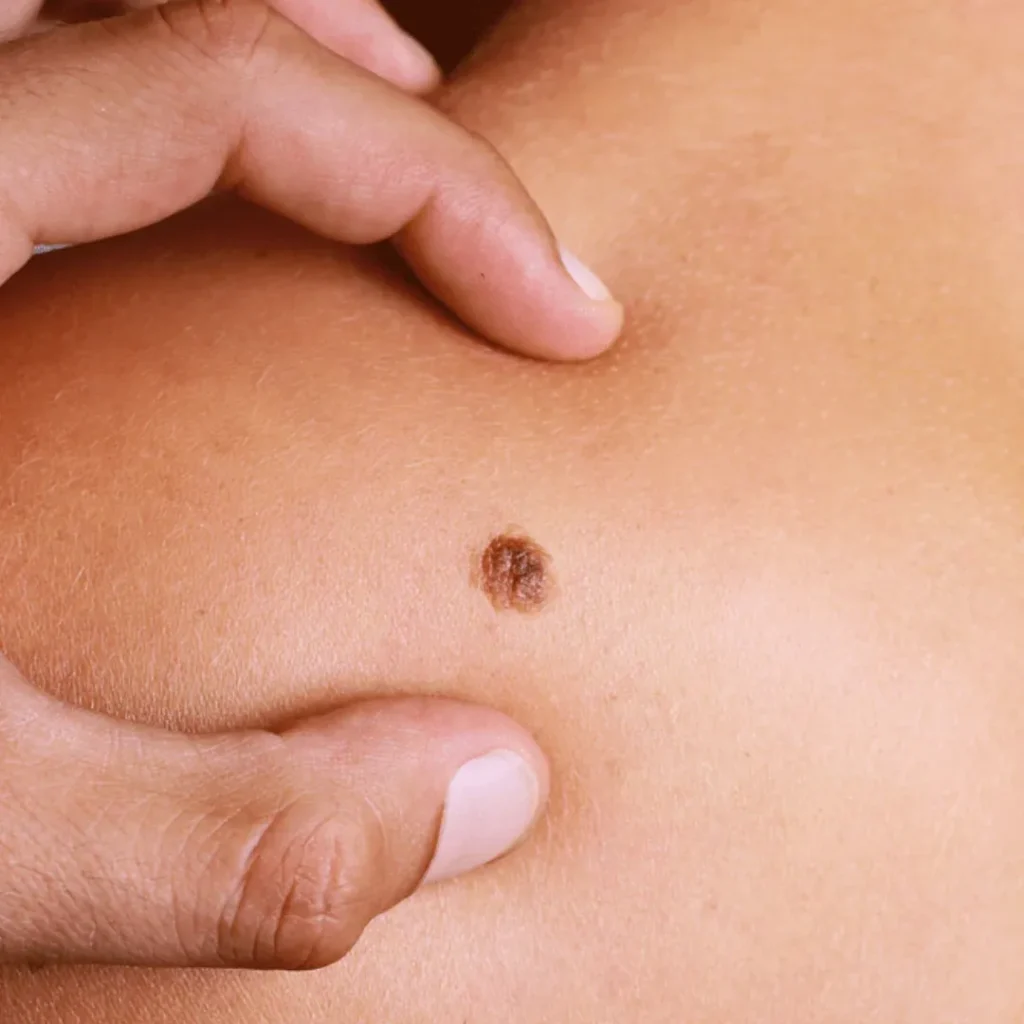
Mole removal is a minor surgical or laser procedure designed to remove unwanted, changing, or suspicious moles. This may be done for medical reasons (to rule out skin cancer) or for cosmetic purposes.
TREATMENT PROCESS
Consultation and Skin Assessment
Treatment Planning
In-Clinic Mole Removal Procedure
Post-Treatment Care
Results & Follow-Up
What is Mole Removal?
Mole removal is a minor surgical or laser procedure designed to remove unwanted, changing, or suspicious moles. This may be done for medical reasons (to rule out skin cancer) or for cosmetic purposes.
Types of Mole Removal & Aftercare
- Surgical Excision: The mole is cut out with a margin of healthy skin, then closed with stitches.
- Shave Excision: The mole is shaved off the surface of the skin, leaving minimal scarring.
- Laser Mole Removal: A non-invasive option for cosmetic mole removal, ideal for smaller, non-cancerous moles.
- Keep the area clean and dry for the first 24 hours.
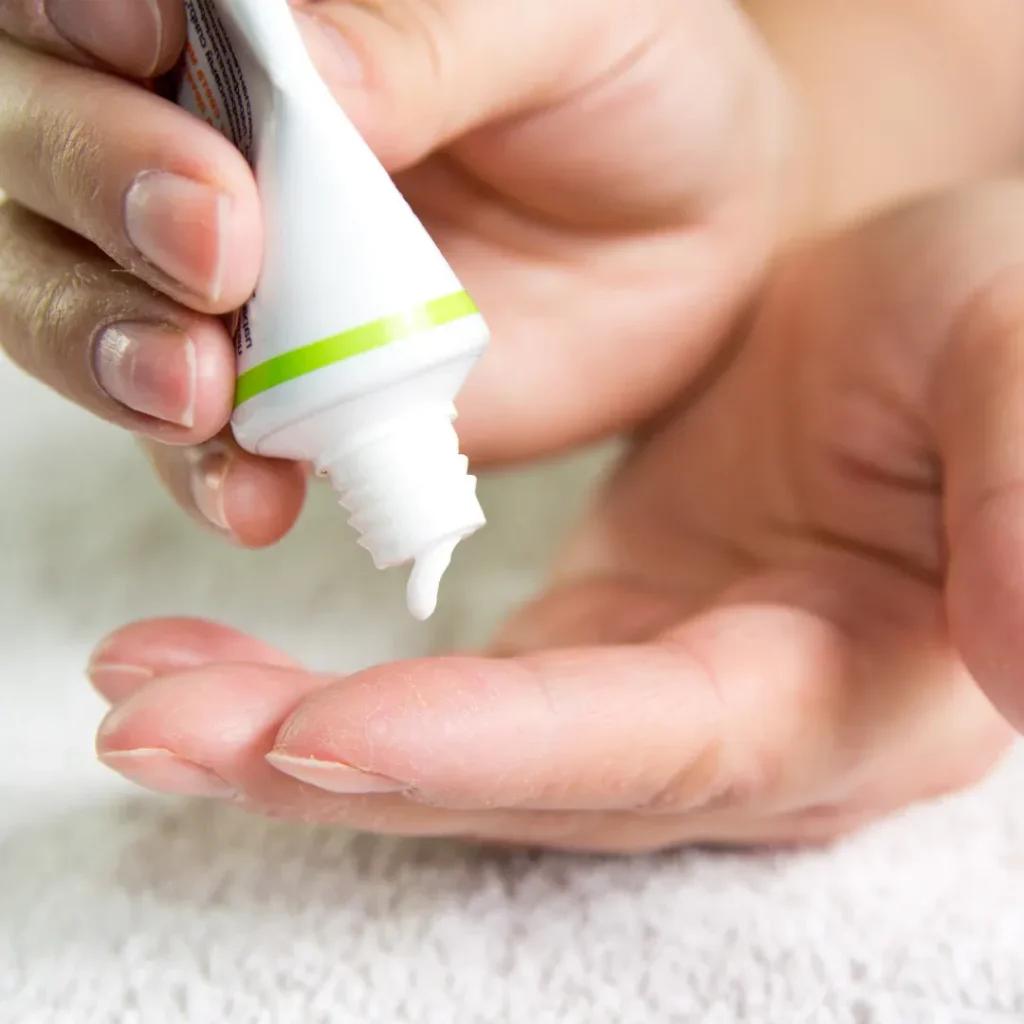
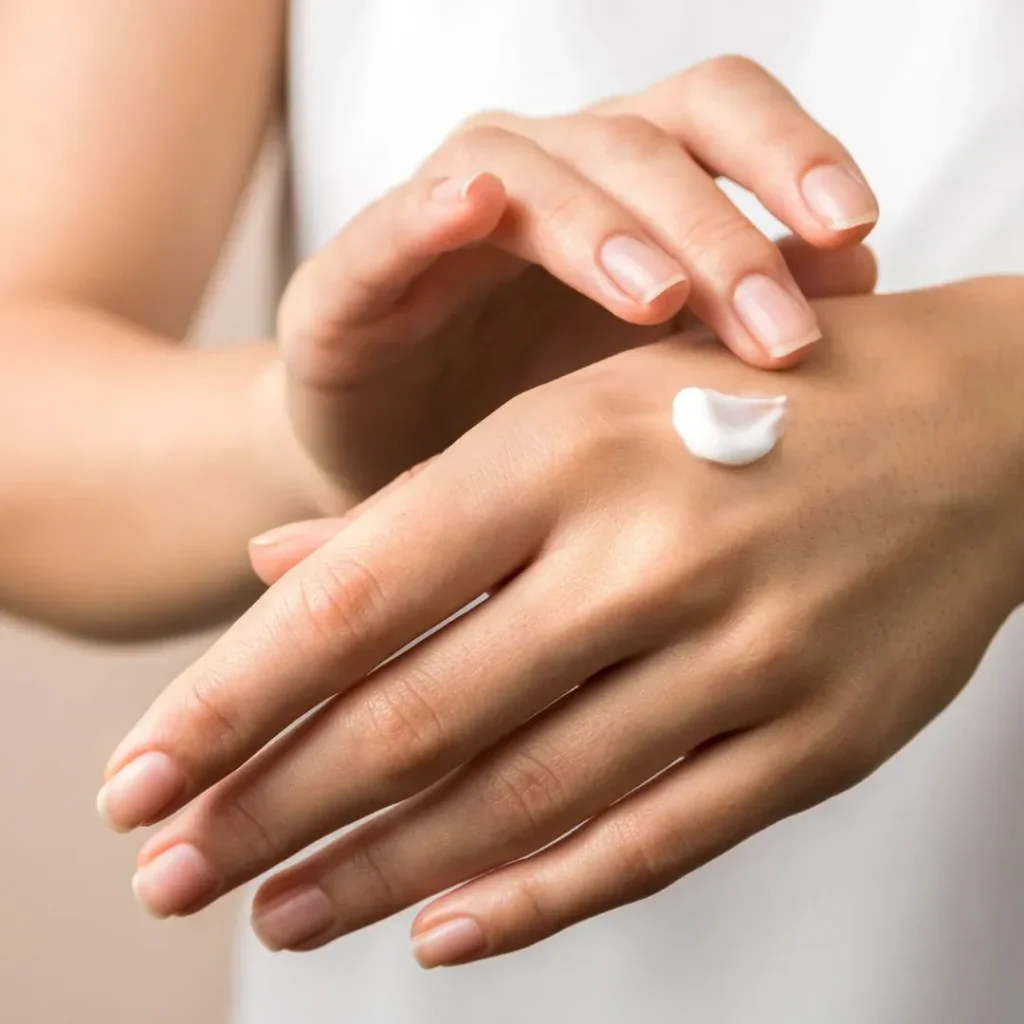
- Apply antiseptic ointment to promote healing.
- Avoid sun exposure to reduce the risk of scarring.
Why Choose Horizon Medical Centre for Mole Removal?
Our expert skin cancer doctors ensure safe, professional mole removal with minimal scarring and thorough follow-up care. Whether for medical assessment or cosmetic concerns, we offer tailored removal options for the best outcome.
FREQUENTLY ASKED QUESTIONS
A mole should be removed if it is changing in size, shape, or colour, becomes itchy, painful, or bleeds, or if a doctor suspects it may be cancerous. Moles can also be removed for cosmetic reasons if they are bothersome or unsightly.
There are three main methods:
- Surgical Excision: The mole and a margin of surrounding skin are cut out and closed with stitches.
- Shave Excision: The mole is shaved off the skin’s surface, leaving minimal scarring.
- Laser Mole Removal: A non-invasive procedure that removes small, non-cancerous moles with minimal downtime.
Some scarring is possible, but our doctors use precise surgical techniques to minimise scarring. Shave excision and laser mole removal typically result in less noticeable scars.
No, mole removal is performed under local anaesthesia, ensuring a pain-free experience. After the procedure, some mild discomfort may be present, but it is easily managed.
Most mole removal procedures take 15-30 minutes, depending on the size and location of the mole.
Healing time depends on the removal method:
- Shave excision and laser removal: A few days to a week.
- Surgical excision: 7-14 days, with stitches removed if required.
- Surgical excision: Stitches are needed and are removed after 7-14 days.
- Shave excision and laser removal: No stitches are required.
- Keep the area clean and dry for the first 24 hours.
- Apply antiseptic ointment as instructed.
- Avoid direct sun exposure to reduce scarring.
- Follow up with your doctor if signs of infection, redness, or swelling occur.
Yes, most patients can return to work the same day, but avoid heavy exercise or activities that may irritate the area for a few days.
If pathology confirms skin cancer, your doctor will discuss further treatment options, which may include wider excision or additional tests.
Yes, many people choose to remove moles for aesthetic reasons, particularly on the face, neck, or other visible areas.
- Medically necessary mole removal may be Medicare-rebated.
- Cosmetic mole removal is not covered by Medicare and may require an out-of-pocket cost.
No, home mole removal kits and DIY methods are not safe and may increase the risk of infection, scarring, or incomplete removal of potentially cancerous cells.
Look for the ABCDE rule of melanoma:
- Asymmetry – One half does not match the other.
- Border – Irregular or poorly defined edges.
- Colour – Uneven shades of brown, black, red, or white.
- Diameter – Larger than 6mm or increasing in size.
- Evolving – Changing in size, shape, colour, or texture.
If you notice any of these signs, book a skin check immediately.