
Have a question
Expert Surgical Removal of Skin Cancer with Minimal Scarring
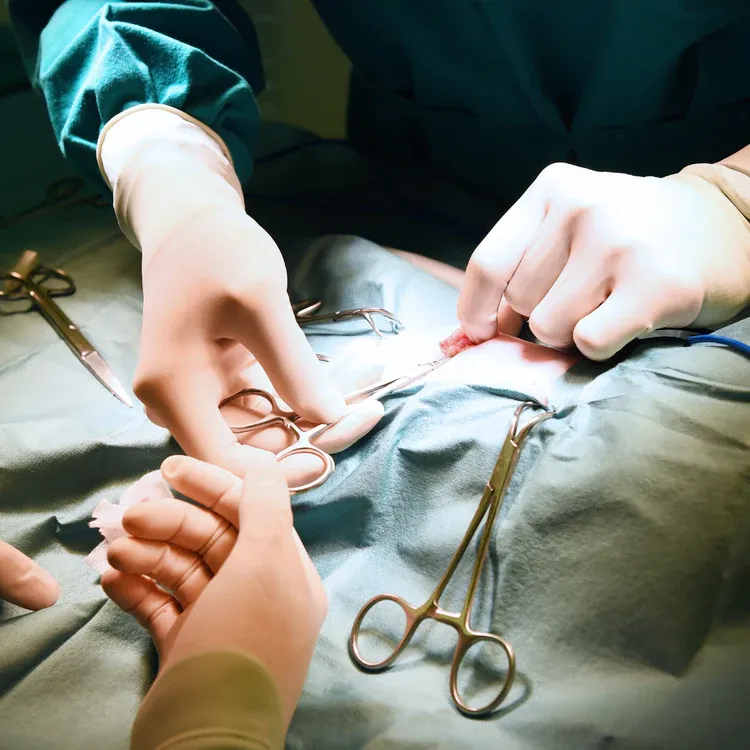
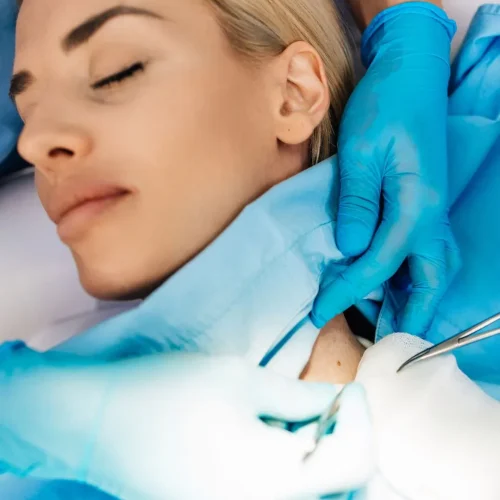
Once skin cancer has been diagnosed, it will be surgically excised in accordance with the clinical guidelines set by the Cancer Council of Australia and the Melanoma Institute of Australia, ensuring safe and effective removal. Depending on the type, size, and location of the skin cancer, different surgical methods may be used.
TREATMENT PROCESS
Initial Skin Cancer Assessment
Personalised Treatment Planning
In-Clinic Surgical Procedure
Post-Surgical Care & Follow-Up
Ongoing Skin Cancer Monitoring
What is Skin Cancer Surgery?
Skin cancer surgery involves the precise excision of cancerous lesions, ensuring the complete removal of abnormal cells while preserving as much healthy tissue as possible. Depending on the type, size, and location of the skin cancer, different surgical methods may be used.
Skin Cancer Surgery & Recovery
- Mild swelling and redness around the surgical site for a few days.
- Stitches may be required, depending on the size and depth of the excision.
- Minimal downtime, with most patients returning to daily activities within a few days.
- Regular follow-ups to ensure complete healing and prevent recurrence.
- Wear SPF 50+ sunscreen daily, even on cloudy days.
- Schedule annual skin cancer checks to detect any new lesions early.
- Avoid direct sun exposure during peak hours (10 AM – 4 PM).
- Wear protective clothing, including hats and sunglasses.
Why Choose Horizon Medical Centre for Skin Cancer Checks?
At Horizon Medical Centre Stepney, we offer expert surgical removal of skin cancer, ensuring safe and effective treatment with minimal scarring. Our on-site full-equipped surgery theatre allows for safe and expert skin cancer surgical excisions. Dr Amarnath Bhat specialises in skin cancer detection and surgical management, using advanced techniques to achieve the best surgical and cosmetic outcomes.
FREQUENTLY ASKED QUESTIONS
Skin cancer surgery is commonly used for basal cell carcinoma (BCC), squamous cell carcinoma (SCC), and melanoma, as well as other abnormal skin lesions.
A local anaesthetic is applied, and the cancerous lesion is surgically removed with a margin of healthy skin to ensure complete excision. Stitches may be required.
Yes, some scarring is expected, but our doctors use precise surgical techniques to minimise scarring and promote smooth healing.
Most skin cancer surgeries take 30-60 minutes, depending on the size and location of the lesion.
No, local anaesthesia is used to numb the area, ensuring a pain-free experience. Mild discomfort may occur after the anaesthetic wears off.
Most patients can resume normal activities within 24-48 hours, but complete healing may take one to two weeks.
For small excisions, no time off is necessary. For larger surgeries, limited activity is advised for a few days.
- Keep the wound clean and dry for the first 24 hours.
- Follow your doctor’s instructions for changing dressings.
- Avoid stretching the area to prevent reopening the wound.
Yes, stitches may be required for larger excisions, and they are typically removed 7-14 days post-surgery.
If pathology results show remaining cancer cells, a second excision may be required to ensure complete removal.
Yes, we offer medical and cosmetic mole and lesion removal, depending on your needs.
Risks are minimal but may include infection, bleeding, or minor scarring.
Patients with a history of skin cancer should have skin checks every 6-12 months.
Yes, most skin cancer surgeries are Medicare-rebated, but cosmetic removals may not be covered.